

To thrive in today’s highly competitive industrial landscape, businesses must continuously evaluate and refine their operational strategies. Profitability in manufacturing and industrial operations is rarely driven solely by increasing sales prices or expanding customer bases. Instead, real and sustainable margin expansion stems from maximizing internal operational productivity, eliminating bottlenecks, and reducing waste across every phase of the production cycle. Enhancing operational performance allows businesses to lower unit costs, optimize resource utilization, and deliver higher quality products to the market faster while maintaining rigorous standards of workplace safety and environmental compliance.
Achieving superior operational efficiency requires a comprehensive strategy that touches every component of the facility. From maintaining optimal power reliability and streamlining material movement to managing raw materials, equipment maintenance, and facility security, every operational facet impacts the bottom line. By modernizing legacy equipment, integrating proactive maintenance programs, and prioritizing process optimization, companies can build a lean, resilient, and highly profitable operation. This article examines ten critical strategies designed to optimize plant operations, reduce costly downtime, and unlock long-term financial growth through systematic refinement.
Power Infrastructure and Energy Management
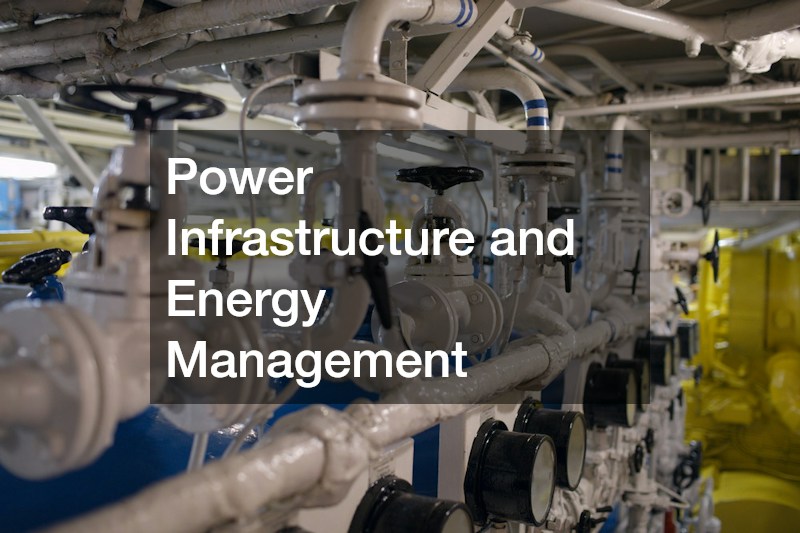
Unplanned downtime caused by grid instabilities or power outages can halt production lines instantly, resulting in lost revenue, ruined raw materials, and missed delivery deadlines. Modern facilities must prioritize a robust power management framework that protects sensitive equipment and maintains continuous workflow during unexpected utility failures.
Installing Redundant Emergency Power Systems
To safeguard critical machinery against sudden grid failures, facilities should deploy an high-capacity industrial generator capable of automatically handling peak facility loads without interruption. Conducting regular load-bank testing ensures that emergency power systems engage seamlessly within seconds of a utility outage, protecting delicate electronic controls and motorized assemblies. Facilities should also audit electrical distribution panels, establish scheduled preventive maintenance logs, verify battery health, and test automatic transfer switches on a quarterly basis to guarantee uncompromised reliability during severe weather events or regional grid failures.
Implementing Smart Energy Monitoring
Installing energy meters across individual production lines allows plant managers to track real-time power consumption and identify inefficient equipment before it causes major failures. By analyzing energy usage patterns during peak production hours, operators can schedule heavy power loads during off-peak times, significantly lowering utility expenses and improving overall facility sustainability. Furthermore, tracking power factor metrics helps facilities avoid utility penalties and optimize electrical distribution across the entire manufacturing floor.
Material Handling and Workflow Streamlining
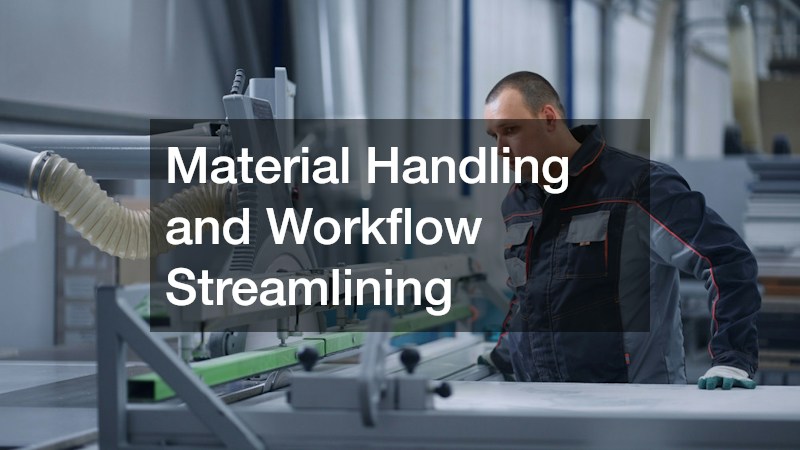
Smooth, predictable material movement through a facility prevents inventory pileups and keeps assembly lines operating at peak capacity. Inefficient transportation methods create internal bottlenecks, increase manual labor costs, and raise the risk of physical product damage during transit.
Optimizing Continuous Assembly Transportation
Integrating custom manufacturing conveyor systems directly into production zones minimizes manual handling and creates a synchronized, predictable flow of raw materials and finished goods. Facility managers should regularly audit line speeds, replace worn roller belts, and configure automated sensors to detect logjams before they cause line stoppages or safety hazards. Integrating these systems with warehouse management software ensures that items transition smoothly from fabrication zones directly to packaging and shipping areas.
Layout Redesign for Minimal Transit
Designing plant floor layouts around logical production sequences reduces the physical distance operators and forklifts must travel during daily shifts. Placing storage racks, assembly stations, and inspection booths in close proximity minimizes transit time, prevents traffic congestion, and accelerates total order fulfillment times. Establishing clear pedestrian pathways alongside automated material transit lanes also enhances floor safety and reduces the likelihood of accidental collisions.
Equipment Efficiency and Pneumatic Systems
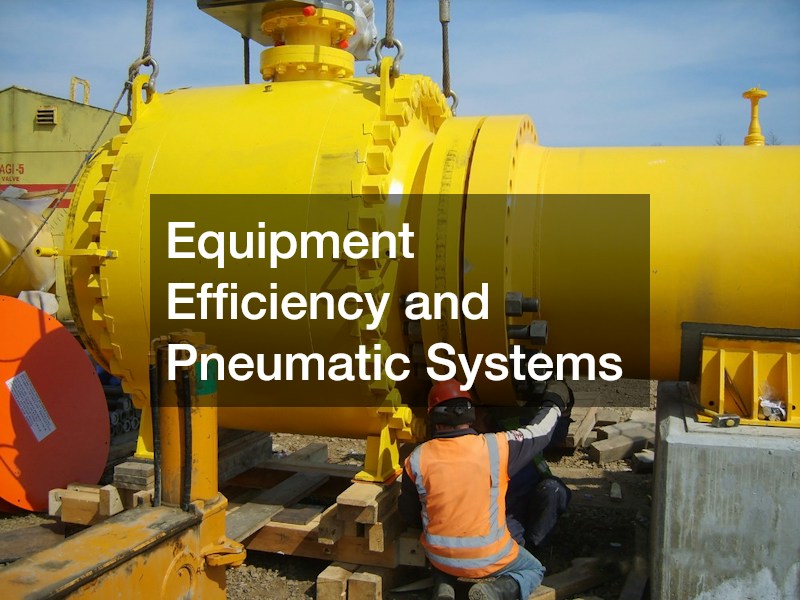
Pneumatic equipment powers crucial automation tools, robotic arms, and packaging machinery throughout modern plants. When air pressure drops or systems become contaminated with moisture and debris, machinery efficiency plunges, leading to higher energy consumption and premature equipment failure.
Maintaining Clean and Reliable Pneumatics
Partnering with qualified industrial compressed air services ensures that plant air pressure remains steady, clean, and free of moisture or particulate contamination that could damage sensitive valves and actuators. Establishing routine service schedules for desiccant dryers, line filters, and air compressor lubricants prevents system corrosion and maintains peak performance for high-speed pneumatic tooling. Technicians should also monitor pressure dew points regularly to prevent moisture accumulation during humid operating seasons.
Detecting and Repairing Air System Leaks
Small pneumatic leaks across vast plant distribution lines can waste thousands of dollars in electricity every year while forcing compressors to work harder than necessary. Utilizing ultrasonic leak detectors during operational shifts enables technicians to pinpoint and repair micro-leaks without disrupting ongoing production, immediately lowering operating expenses. Implementing a facility-wide air leak tagging program ensures that maintenance teams address pressure drops swiftly and systematically.
Maintenance and Waste Management Infrastructure
Industrial operations generate substantial waste, sludge, and debris that can compromise facility hygiene, clog drainage systems, and create severe safety hazards if left unaddressed. Specialized environmental maintenance keeps facilities clean, compliant, and operating efficiently.
Scheduling Routine Industrial Waste Extraction
Utilizing heavy-duty vacuum truck services allows plants to rapidly clean out sumps, storage tanks, catch basins, and heavy industrial waste pits without manual intervention or prolonged facility shutdowns. Regular extraction of liquid sludge and debris prevents system overflows, minimizes chemical exposure hazards, and prevents unexpected downtime caused by blocked drainage infrastructure. Documenting disposal volumes also simplifies environmental reporting and ensures adherence to local regulatory standards.
Establishing Automated Fluid Reclamation
Implementing local closed-loop fluid recycling systems allows facilities to capture, filter, and reuse coolants, lubricants, and wash water across machining and stamping lines. Reclaiming industrial fluids lowers raw material purchasing costs, minimizes hazardous waste disposal fees, and reduces overall environmental impact. Regular fluid analysis guarantees that reclaimed coolants maintain proper viscosity and inhibit bacterial growth effectively.
Precision Measurement and Quality Control
Accurate measurement systems are fundamental to maintaining strict quality standards and preventing inventory discrepancies. Inaccurate measurements at receiving or shipping stages can lead to overfilling containers, incorrect raw material mixing, or compliance penalties.
Calibrating Heavy Capacity Measurement Equipment
Regularly calibrating certified industrial scales at receiving docks, mixing stations, and shipping bays prevents costly material giveaway and guarantees compliance with industry trade regulations. Implementing digital logging systems connected to weigh stations provides real-time inventory visibility and reduces manual data entry errors. Routine calibration schedules prevent drift and ensure consistent accuracy across high-volume weighing applications.
Implementing Automated In-Line Quality Inspection
Positioning optical sensors and automated checkweighers directly along active assembly lines catches defective or mismeasured products instantly before they reach final packaging. Removing non-conforming items early in the assembly process avoids wasted labor on defective units and reduces product scrap costs. Integrating these vision systems with centralized quality dashboards enables engineers to track defect trends and adjust upstream processes proactively.
Inventory Control and Supply Chain Management
Consumable parts, hardware, and raw materials are the fuel of manufacturing plants. Lacking essential hardware can halt an entire assembly line, while excess inventory ties up valuable operating capital and storage space.
Streamlining Hardware Procurement and Stocking
Establishing direct vendor-managed inventory programs with a reliable fastener supply store ensures that critical assembly hardware, bolts, nuts, and specialized fittings are always stocked in designated work centers. Automated replenishment thresholds eliminate stockouts, reduce administrative purchase order processing overhead, and streamline vendor management. This collaborative approach guarantees that line workers spend less time searching for parts and more time executing productive manufacturing tasks.
Implementing Just-In-Time Inventory Tracking
Adopting barcode scanners and radio-frequency identification tags across incoming shipments provides real-time visibility into inventory levels across the enterprise. Aligning raw material shipments closely with active production schedules minimizes warehouse storage costs and frees up floor space for core manufacturing activities. Accurate inventory tracking also prevents material degradation and reduces the risk of utilizing outdated components in sensitive assemblies.
Custom Metalwork and Structural Upgrades
Plant machinery and structural framework endure relentless stress, vibration, and operational wear. Rapid access to skilled structural experts enables quick equipment modifications, custom safety guarding, and structural repairs that preserve operational momentum.
Utilizing Skilled On-Site Structural Welders
Engaging certified local industrial welders allows plant managers to quickly execute structural repairs, reinforce heavy machinery beds, and modify structural platforms without waiting for distant field contractors. Fast, localized repair capabilities minimize equipment downtime and maintain structural integrity across the plant floor. Routine structural inspections help identify fatigue cracks before they escalate into catastrophic structural failures.
Upgrading Custom Workstations and Fixtures
Tailoring workbenches, tooling racks, and specialized material carts to ergonomic standards improves worker safety and operational speed. Custom-built fixtures hold components securely in place during assembly, reducing operator fatigue and improving overall craftsmanship. Thoughtful workstation design also minimizes repetitive motion strains and enhances employee morale.
Specialized Metal Reclamation and Sustainability
Metal manufacturing and machining generate significant quantities of turnings, offcuts, stampings, and structural scrap. Transforming manufacturing scrap into a structured revenue stream supports financial goals while advancing facility sustainability objectives.
Establishing Systematic Scrap Separation Programs
Partnering with a specialized industrial metal recycling service allows facilities to convert leftover aluminum, copper, stainless steel, and iron scrap into meaningful financial returns. Implementing color-coded collection bins throughout machining zones ensures scrap metals are sorted by alloy grade, maximizing recovery payout values. Clear signage and employee training programs encourage widespread participation in daily metal sorting initiatives.
Reclaiming Metal Dust and Turnings
Installing chip compactors and briquetting machines compresses loose metal turnings and swarf into solid blocks while extracting valuable cutting fluids for filtration and reuse. Compressed briquettes command higher recycling prices and simplify internal transport and storage logistics. Efficient metal chip management also reduces slip hazards on the shop floor and improves overall cleanliness.
Custom Metal Design and Machinery Modification
Standard off-the-shelf equipment rarely matches the unique workflow constraints of a specific manufacturing facility. Modifying existing machinery or building custom transfer chutes, hoppers, and enclosures enhances operational flexibility and throughput.
Capitalizing on Specialized Structural Modifications
Partnering with expert fabrication services enables manufacturing plants to build custom structural supports, specialized material hoppers, and tailored safety enclosures specifically designed for unique operational layouts. Custom structural components optimize plant space utilization, resolve unique bottleneck challenges, and enhance overall equipment effectiveness. Collaborative engineering sessions ensure that custom builds integrate seamlessly with existing utility and control lines.
Retrofitting Modern Guards and Mechanisms
Upgrading older machinery with updated mechanical safety guards, automated feeding chutes, and quick-release access hatches drastically cuts setup and maintenance turnaround times. Retrofitting existing hardware extends equipment operating life and avoids the massive capital expenditures required for total machine replacement. Enhanced safety mechanisms also protect operators and reduce workplace injury liabilities.
Facility Perimeter Security and Perimeter Control
A smooth production environment requires an uninterrupted, secure operating perimeter. Unauthorized access, equipment theft, vandalism, and property damage disrupt schedules, compromise worker safety, and cause severe operational delays.
Installing Heavy-Duty Perimeter Barriers
Engaging professional security fencing services ensures that raw material yards, outdoor storage areas, and equipment bays are fully protected against unauthorized intrusion and potential theft. Installing commercial-grade chain-link or ornamental steel fencing equipped with automated access control gates restricts site access strictly to verified personnel and delivery transport drivers. Regular physical inspections of fence lines prevent perimeter breaches and maintain site integrity.
Integrating Perimeter Monitoring and Surveillance
Combining physical barrier protection with thermal security cameras, motion sensors, and automated gate logging systems creates an intelligent defense system around facility grounds. Maintaining constant perimeter oversight protects valuable inventory, deters unauthorized access, and secures critical external infrastructure against tampering. Centralized security monitoring allows plant security personnel to respond rapidly to suspicious activities before they impact production operations.
Data-Driven Operations and Workforce Development
While equipment upgrades and process improvements form the backbone of operational efficiency, sustained success relies heavily on workforce alignment and real-time data insights. Modern industrial facilities must empower their frontline personnel with modern digital tools and actionable analytics to maintain competitive momentum.
Cultivating Continuous Improvement Training
Investing in comprehensive employee training programs fosters a culture where operators actively identify micro-inefficiencies and safety hazards on the plant floor. Cross-training workers on multiple machine centers builds operational agility, allowing supervisors to dynamically reallocate labor to match fluctuating daily output requirements.
Leveraging Predictive Analytics and IoT Integration
Deploying Industrial Internet of Things (IoT) sensors across plant machinery captures telemetry on temperature, vibration, and duty cycles. Analyzing this stream of real-time data enables maintenance teams to transition from schedule-based servicing to predictive intervention, addressing mechanical anomalies well before catastrophic breakdowns happen.
Continuous operational improvement is an ongoing commitment that yields significant financial returns over time. By addressing power stability, refining material movement, maintaining critical pneumatic infrastructure, and securing facility perimeters, companies build a resilient foundation for long-term growth. Investing in precision measurement, specialized scrap reclamation, custom structural modifications, and direct inventory partnerships further reduces unit costs and protects working capital. As competition intensifies, facilities that proactively implement these integrated efficiency strategies will maintain a superior market position, lower operating overhead, and achieve higher profit margins.